 Start Service Request


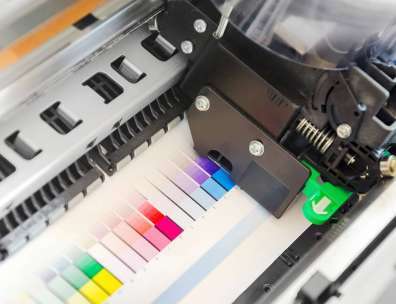
Laser printers and inkjet printers accomplish the same goal, but they get there in very different ways. Laser devices use toner and heat to produce documents, while inkjet printers apply liquid ink directly onto the page. On paper, that sounds like a simple distinction. In practice, however, it can have a significant impact on operating costs, output quality, efficiency, and long-term performance.
The right choice depends on how your organization works. A healthcare provider may need fast, dependable printing for patient documentation. An accounting firm may prioritize crisp text and high-volume reporting. A construction company may require detailed plans and drawings, while an educational institution may balance administrative printing with colorful classroom materials. Understanding the role printing plays in your daily operations is often the most important step in determining which technology makes sense.
For organizations across Tulsa and throughout Oklahoma, the goal isn't finding the "best" printer. It's finding the solution that aligns with your workflow, budget, and future growth.
Laser Printers Are Built for Speed, Efficiency, and High Volumes
For many business environments, laser printers remain the preferred choice because they're designed to handle demanding workloads with consistency. Organizations that print invoices, reports, contracts, employee records, forms, and other business-critical documents often benefit from the speed and reliability laser technology provides.
One of the biggest advantages of laser printing is cost efficiency at higher volumes. While the initial investment may be greater, toner cartridges typically last longer than traditional ink cartridges and often result in a lower cost per page over time. For departments that print daily, those savings can add up quickly.
Laser technology is particularly well-suited for industries such as healthcare, finance, government, education, and manufacturing, where document accuracy and turnaround times matter. Modern color laser devices have also become increasingly sophisticated, allowing businesses to produce professional-looking presentations, reports, and marketing materials without sacrificing productivity.
Many organizations in Tulsa find that multifunction laser devices deliver the greatest value by combining printing, scanning, copying, and document workflows into a single platform that supports multiple users across the organization.
Inkjet Printers Shine When Image Quality Takes Priority
Inkjet technology still plays an important role in today's workplace, particularly when color accuracy, image detail, and media flexibility are priorities.
Organizations that regularly produce photo-rich materials, design proofs, creative collateral, or specialty applications may benefit from the strengths of inkjet printing. These devices are often capable of producing vibrant color gradients and fine image details that can be difficult to replicate with traditional office printers.
For some businesses, an inkjet solution can complement existing office equipment by supporting specific projects rather than handling day-to-day document production. Marketing departments, design teams, educational institutions, and organizations producing customer-facing materials often find value in the enhanced color capabilities inkjet devices provide.
However, as print volumes increase, organizations should carefully consider ongoing supply costs, maintenance requirements, and overall productivity. What works well for occasional color projects may not be the most efficient choice for a department printing thousands of pages each month.
Cost Factors Include More Than the Purchase Price
One of the most common mistakes organizations make when evaluating printers is focusing solely on upfront cost. While purchase price certainly matters, it rarely tells the full story.
The true cost of a printing environment includes supplies, maintenance, downtime, productivity, and service support. A less expensive printer may seem attractive initially, but if employees spend valuable time waiting for documents, replacing cartridges, troubleshooting issues, or dealing with service interruptions, those hidden costs can quickly outweigh any savings.
This is why many organizations are shifting their focus from equipment costs to total cost of ownership. By looking at how devices are used across the organization, businesses can often identify opportunities to reduce waste, improve efficiency, and better control printing expenses.
At JD Young, our Managed Print Services help organizations gain visibility into their print environment while ensuring the right devices are supporting the right workflows. Rather than guessing which printer is the best fit, businesses can make data-driven decisions that improve both performance and budget management.
Which Printer Type Fits Your Business Application?
The reality is that laser versus inkjet isn't always an either-or decision. Many organizations rely on multiple print technologies to support different business functions.
A manufacturing company may use laser multifunction devices for work orders and operational documentation while utilizing specialty printing solutions for labels and compliance requirements. A construction firm may depend on office printers for project management documents while leveraging wide format equipment for blueprints, site plans, and technical drawings. Educational institutions often combine administrative printing with devices designed to support classroom and communications needs.
As organizations grow, their printing environments tend to become more specialized. That's why selecting the right technology often requires a broader conversation about workflows, departments, and long-term goals rather than simply comparing printer specifications.
A Practical Way to Choose
Before investing in new printing equipment, it helps to take a step back and evaluate how printing fits into your larger workflow.
Start by identifying the documents your organization produces most frequently and estimating your monthly print volume. Consider who prints, where printing takes place, and whether color quality, speed, security, or finishing capabilities are most important. It's also worth looking beyond today's needs and considering how your requirements may evolve over the next several years.
In many cases, organizations discover that a multifunction device delivers far greater value than a standalone printer. Others may benefit from adding wide format, production print, or specialty printing solutions to support specific operational demands.
Working with an experienced technology partner can help simplify the decision-making process and ensure you're investing in equipment that supports both immediate needs and future growth.
The Right Choice Supports Productivity and Growth
The right printer does more than produce documents. It supports productivity, strengthens workflows, and helps teams work more efficiently every day.
For many Tulsa-area organizations, laser printers provide the speed, reliability, and cost efficiency needed for high-volume business printing. Inkjet printers continue to offer excellent results for applications where color accuracy and image quality take center stage. The best choice ultimately depends on how your organization works and what you need your technology to accomplish.
If you're evaluating Multifunction Devices, Production Printers, Wide Format solutions, Specialty Printing technologies, or Managed Print Services, JD Young helps organizations across Oklahoma build print environments that reduce complexity, improve productivity, and support long-term success.
Ready to optimize your print environment? Contact JD Young today to speak with a print technology specialist and discover the right solution for your organization.